On this page:
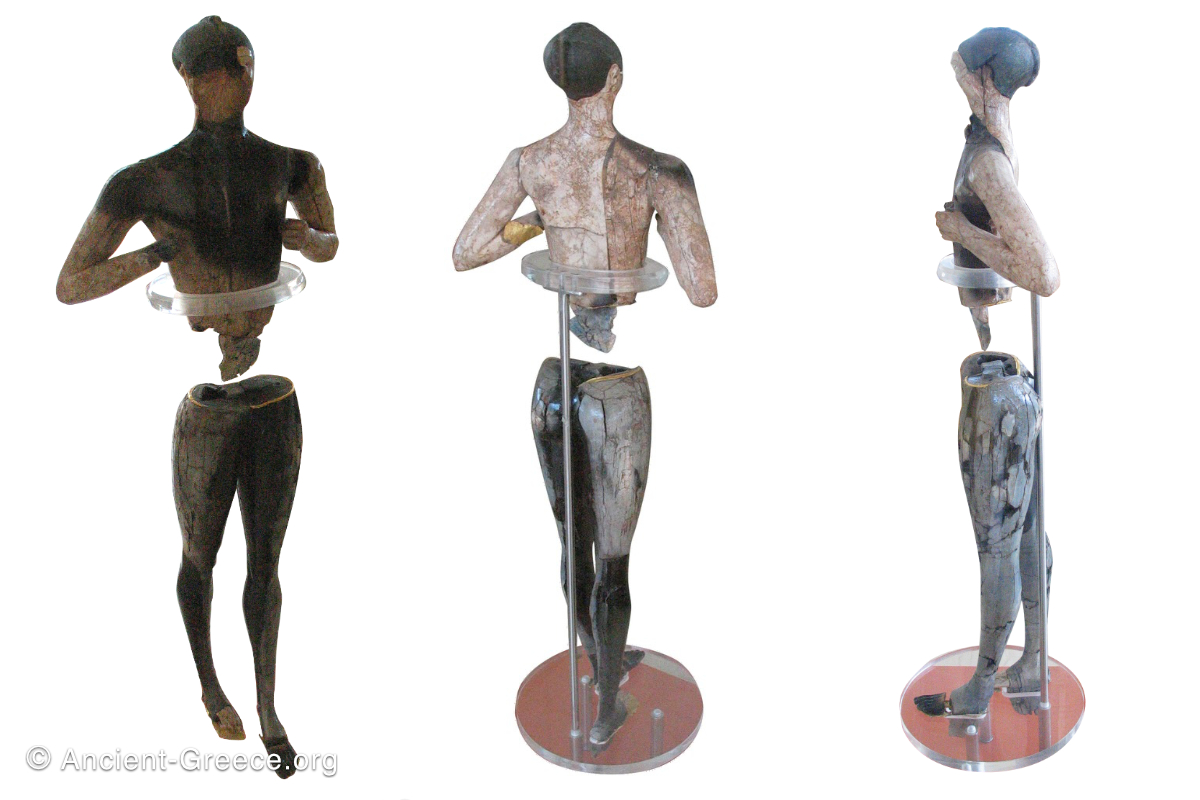
The Archaeological Museum of Sitia (Αρχαιολογικό Μουσείο Σητείας) houses a significant collection of artifacts spanning the Stone Age, Minoan, Classical, Hellenistic, and Roman periods, primarily sourced from excavations in the Lasithi region of Eastern Crete. Notable exhibits include the exquisite chryselephantine “Palaikastro Kouros” and a collection of clay tablets bearing the undeciphered Linear A script recovered from the palace of Kato Zakros.
Το Αρχαιολογικό Μουσείο Σητείας φιλοξενεί μια σημαντική συλλογή ευρημάτων που εκτείνονται από την Εποχή του Λίθου έως τη Ρωμαϊκή περίοδο, προερχόμενα κυρίως από ανασκαφές στην περιοχή της Σητείας και την ευρύτερη Ανατολική Κρήτη. Στα σημαντικότερα εκθέματα περιλαμβάνεται το χρυσελεφάντινο ειδώλιο του «Κούρου του Παλαικάστρου», καθώς και πήλινες πινακίδες με τη Γραμμική Α γραφή που ανακαλύφθηκαν στο ανάκτορο της Κάτω Ζάκρου.
Museum Collections | Συλλογές Μουσείου
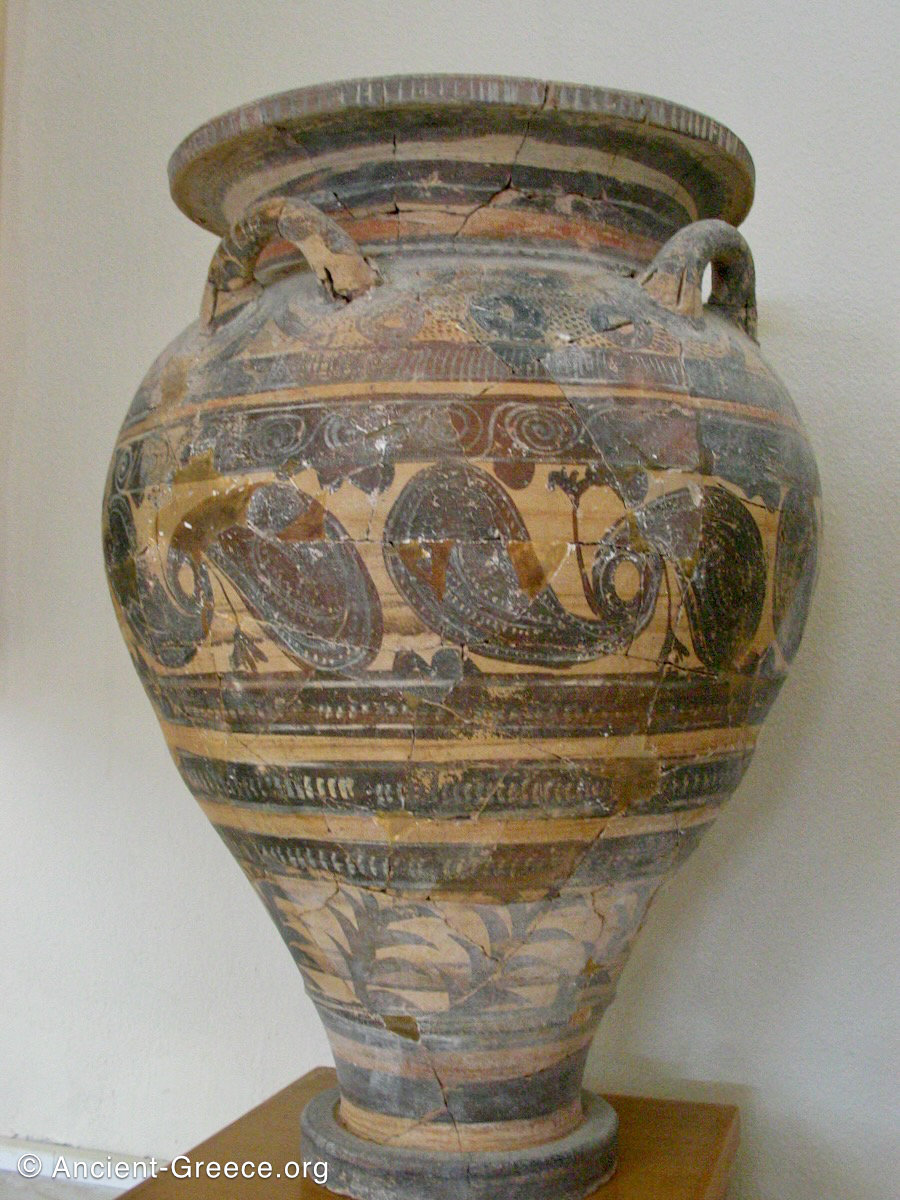
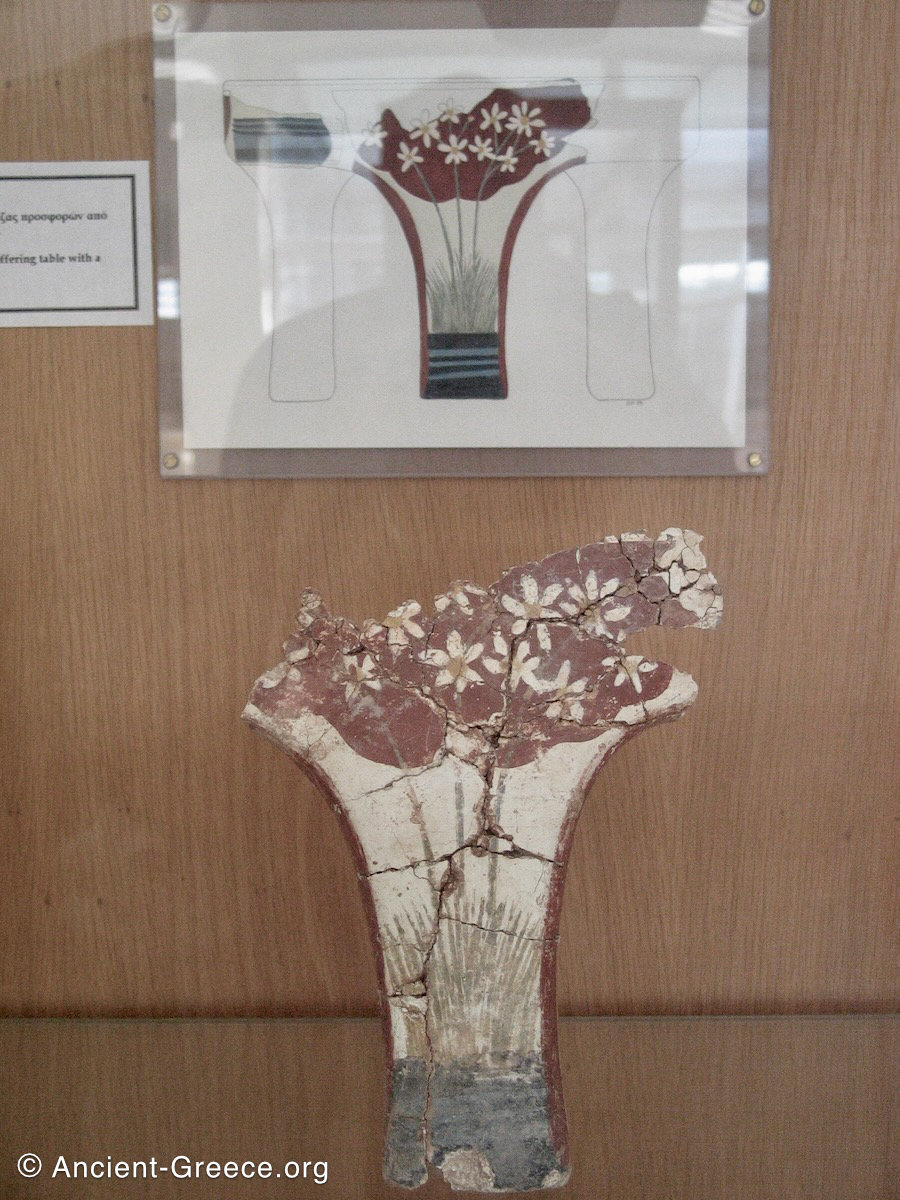
The museum serves as a repository for artifacts found in Eastern Crete, offering insight into the Minoan civilization. While the Heraklion Archaeological Museum holds the primary national collection of Cretan antiquities, the Sitia museum provides a concentrated look at regional developments, particularly those related to trade, ritual life, and daily administration during the Bronze Age.
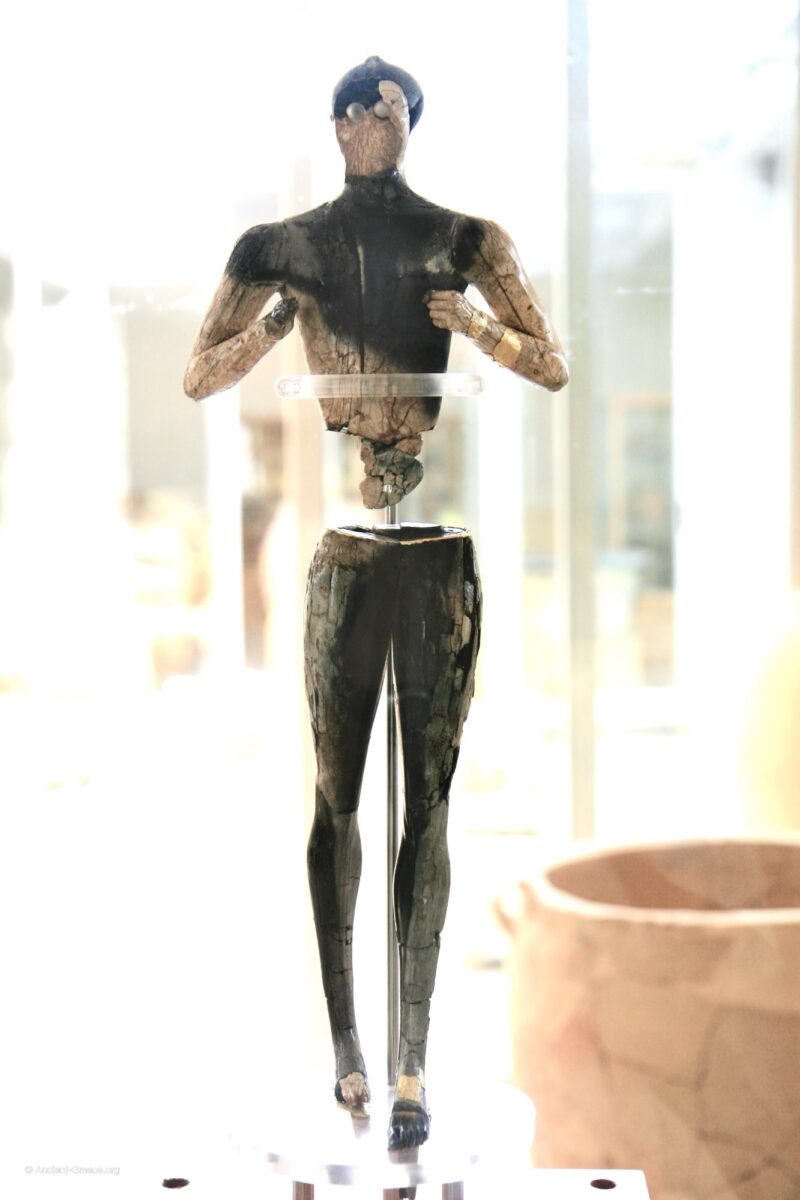
The “Palaikastro Kouros” is the museum’s centerpiece, constructed from hippopotamus ivory, serpentine, rock crystal, gold leaf, and wood. Scholars often identify it as a cult figure due to its refined detail and specific iconography. Complementing the statuary are numerous everyday objects, including pottery, gold jewelry, and fishing implements, which illustrate the maritime and domestic character of ancient Sitia.
Το μουσείο αποτελεί θεματοφύλακα της πολιτιστικής κληρονομιάς της Ανατολικής Κρήτης, προσφέροντας εικόνα για την εξελιγμένη τέχνη και χειροτεχνία του Μινωικού πολιτισμού. Παρόλο που το Αρχαιολογικό Μουσείο Ηρακλείου κατέχει την κύρια εθνική συλλογή κρητικών αρχαιοτήτων, το Μουσείο Σητείας προσφέρει μια εστιασμένη εικόνα των περιφερειακών εξελίξεων, ιδιαίτερα σε ό,τι αφορά το εμπόριο, τη λατρευτική ζωή και τη διοικητική οργάνωση κατά την Εποχή του Χαλκού.
Ο «Κούρος του Παλαικάστρου» αποτελεί το κεντρικό έκθεμα του μουσείου, κατασκευασμένος από ελεφαντόδοντο ιπποπόταμου, σερπεντίνη, ορεία κρύσταλλο, φύλλα χρυσού και ξύλο. Οι μελετητές συχνά τον ταυτίζουν με λατρευτική μορφή λόγω της λεπτότητας της κατασκευής και της ιδιαίτερης εικονογραφίας του. Τη συλλογή πλαισιώνουν πολυάριθμα αντικείμενα καθημερινής χρήσης, όπως κεραμικά, χρυσά κοσμήματα και αλιευτικά εργαλεία, τα οποία αναδεικνύουν τον ναυτικό και οικιακό χαρακτήρα της αρχαίας Σητείας.
Ivory Statuette (Palaikastro Kouros)
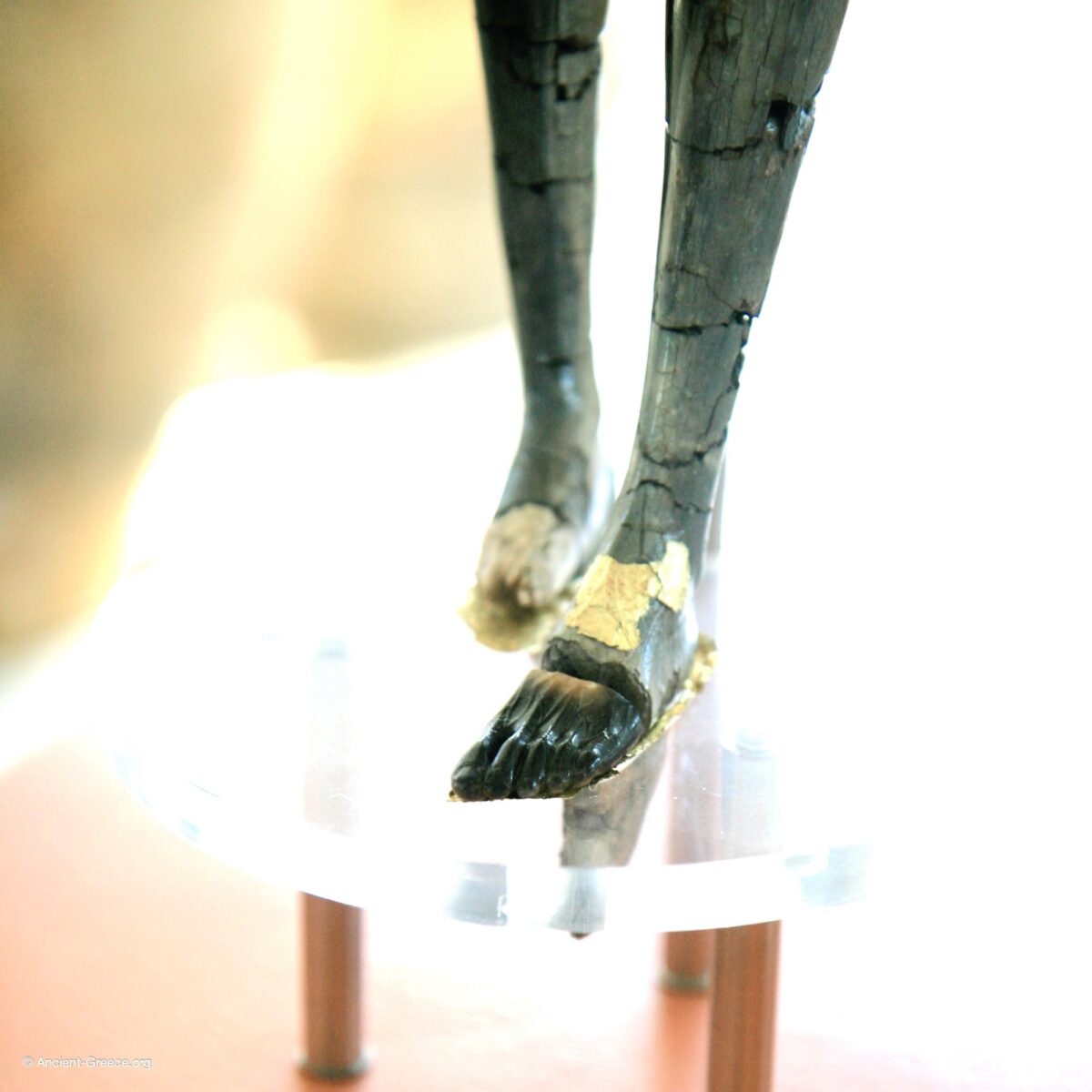
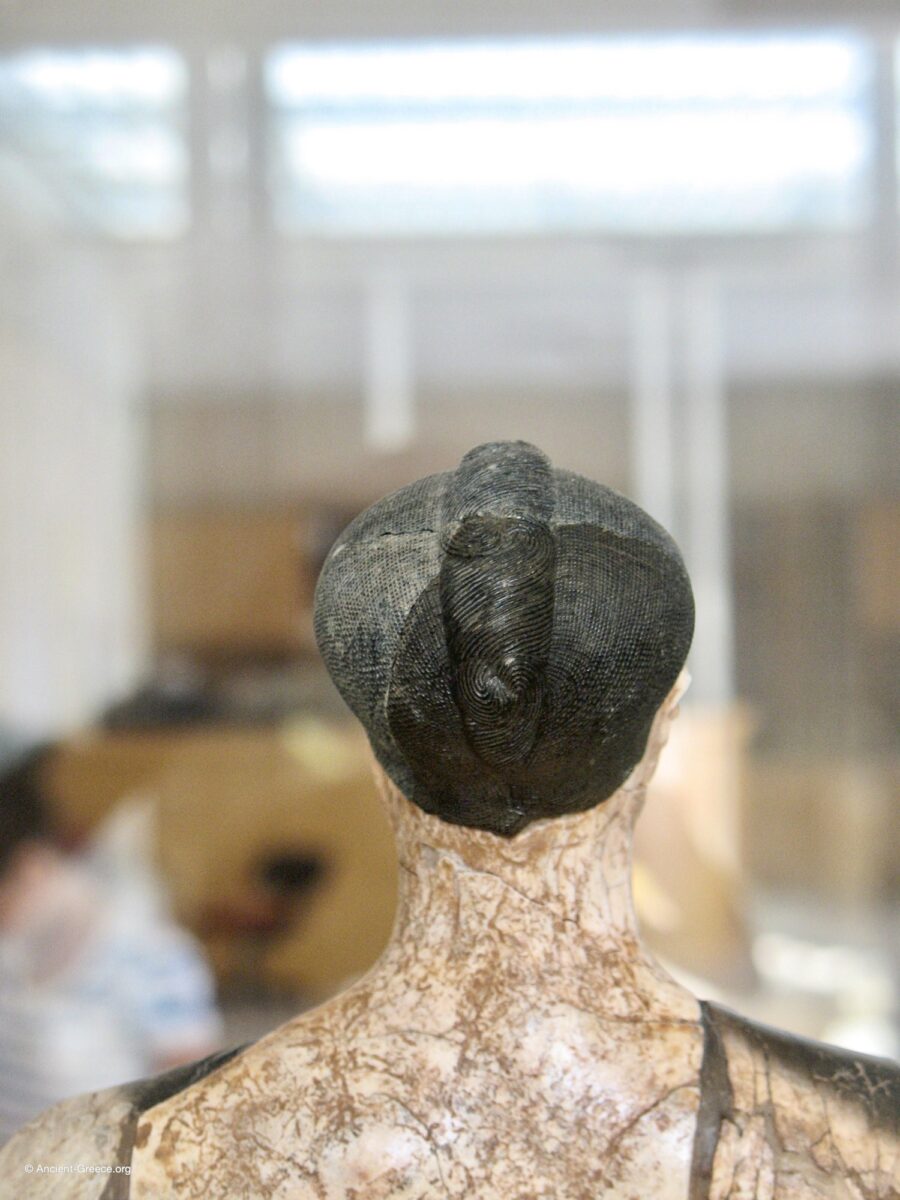
Most impressive of all the artifacts in the Archaeological Museum of Sitia is the small statuette known as “Palaikastro Kouros” which was found in three pieces at the Palaikastro Archaeological site.
Learn more about the Palaikastro Kouros…
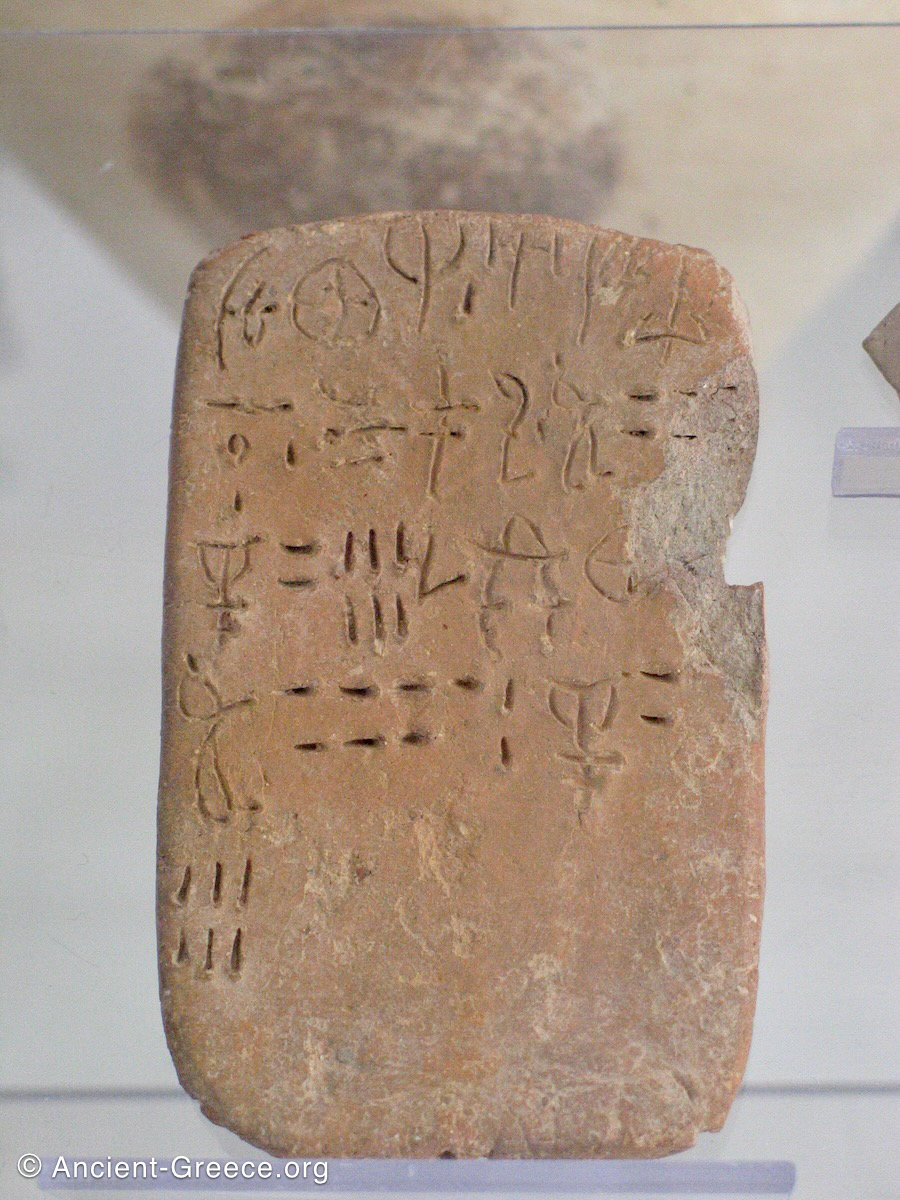
Linear A Tablets
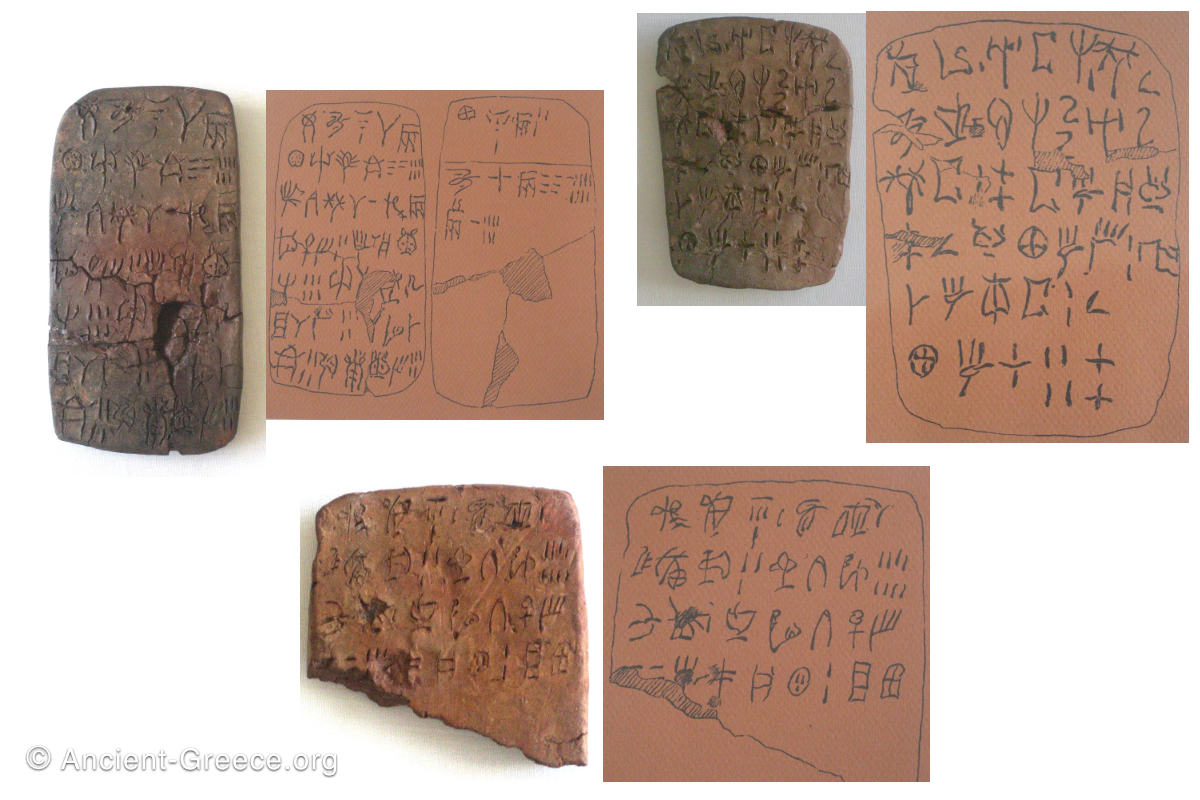
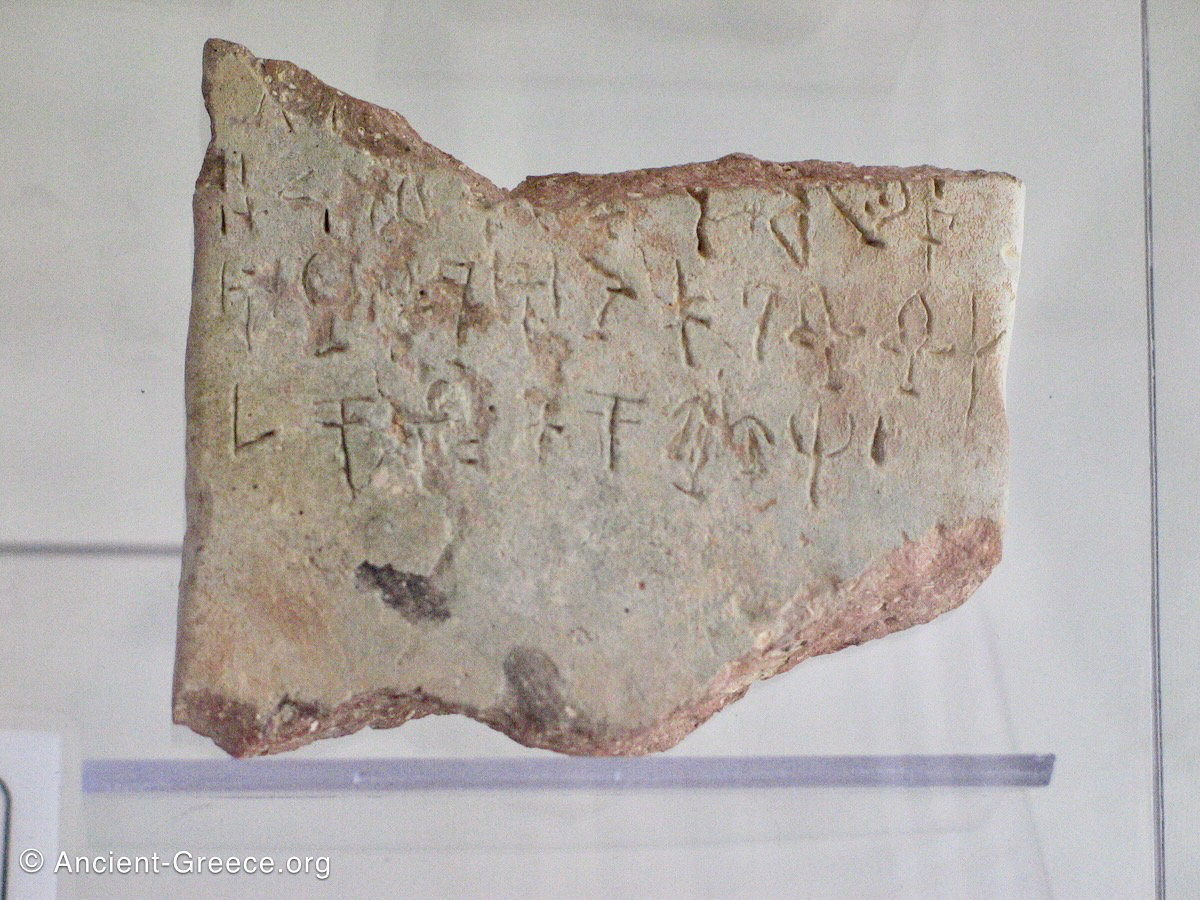
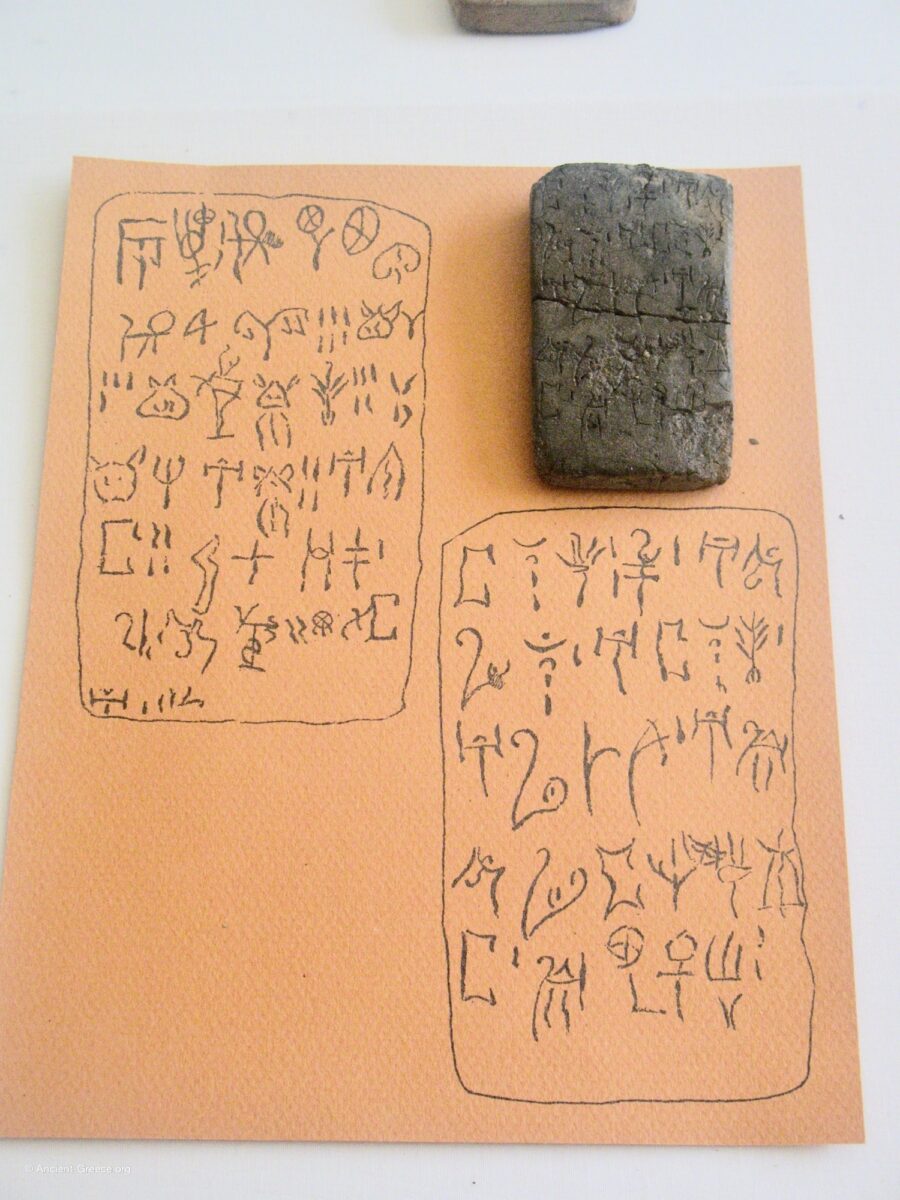
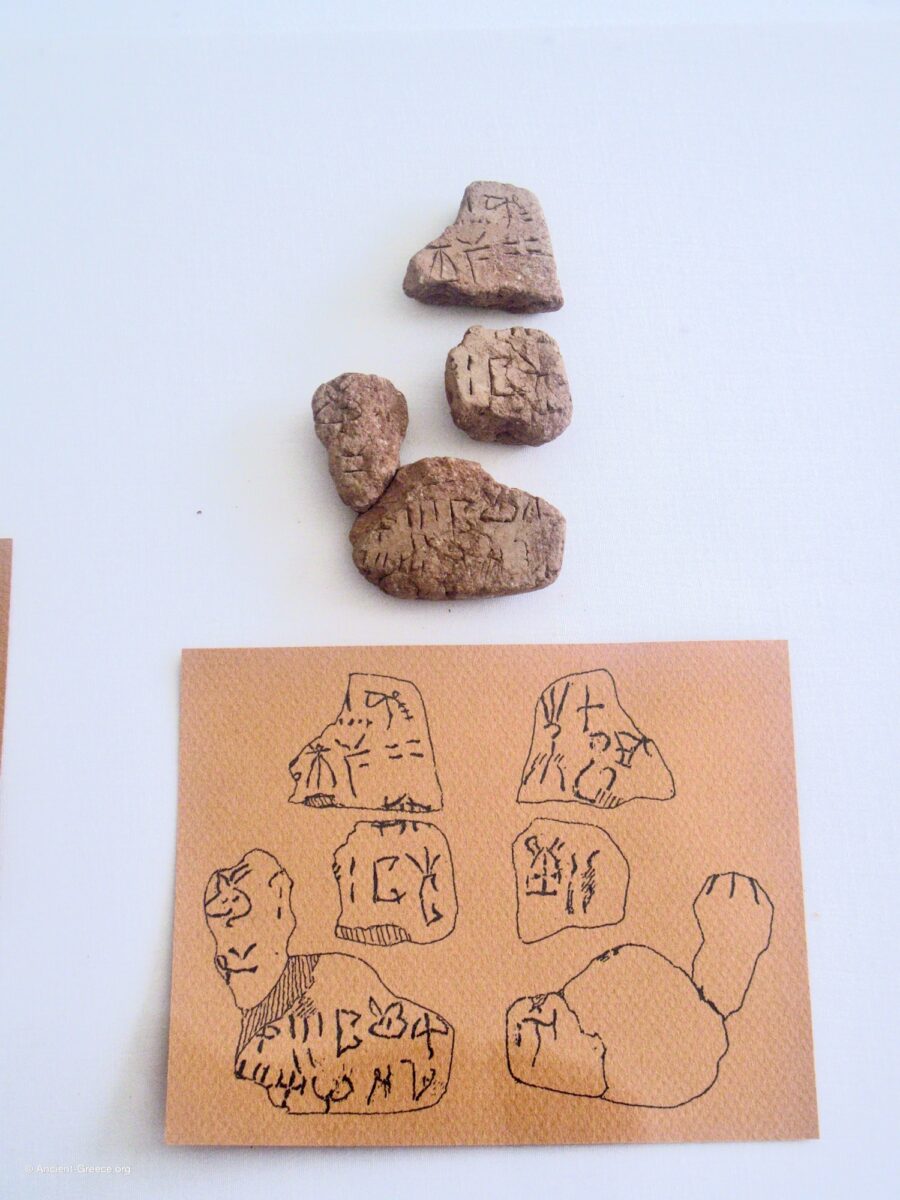
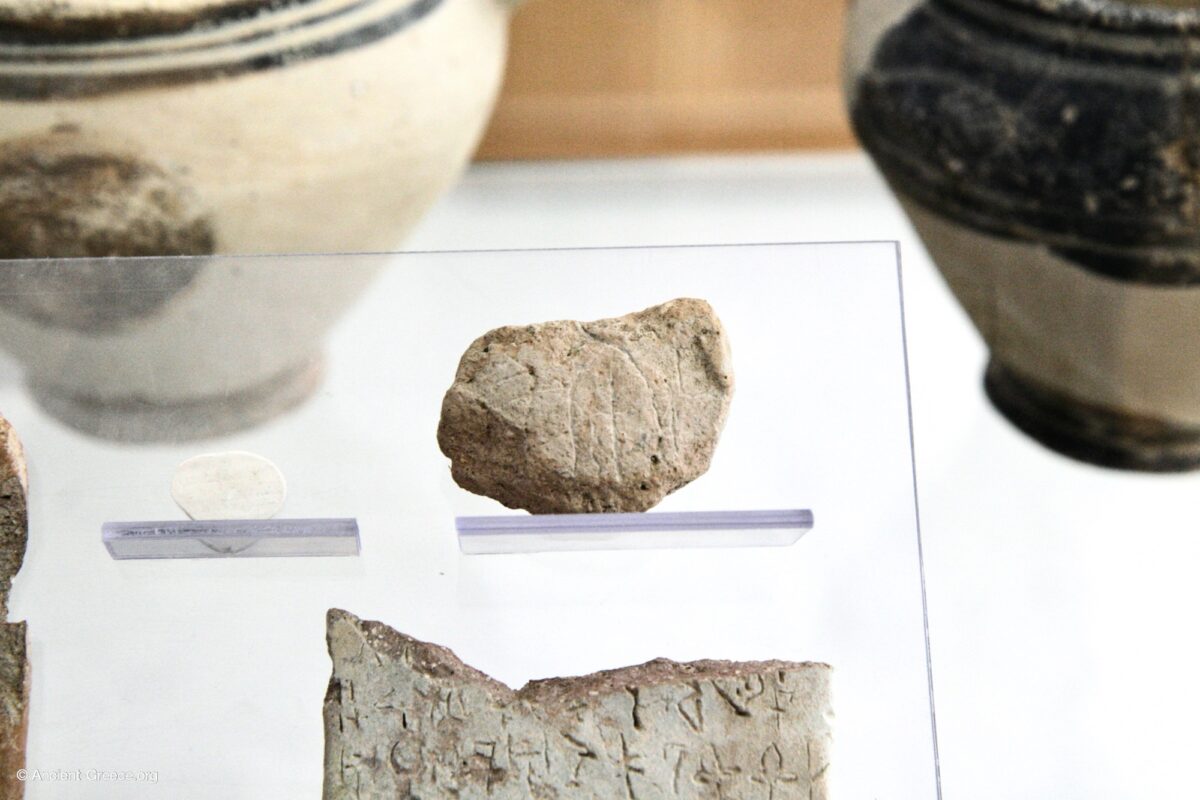
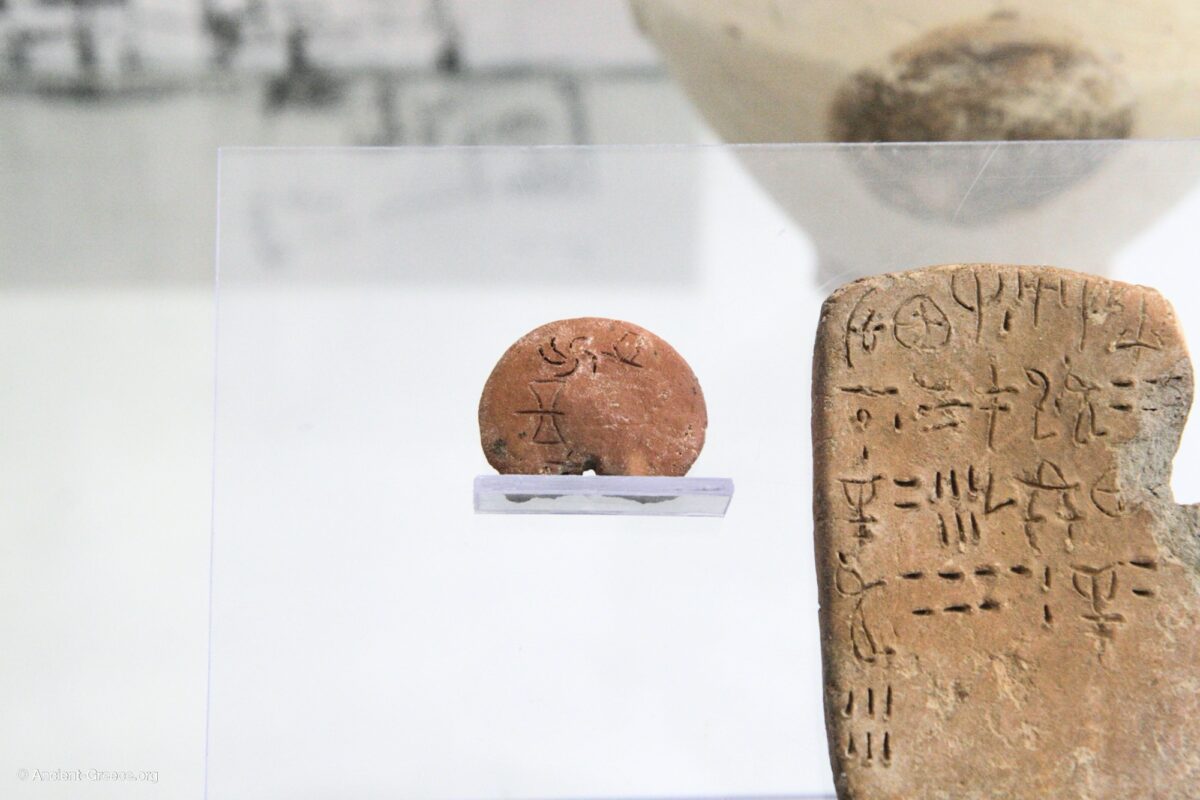
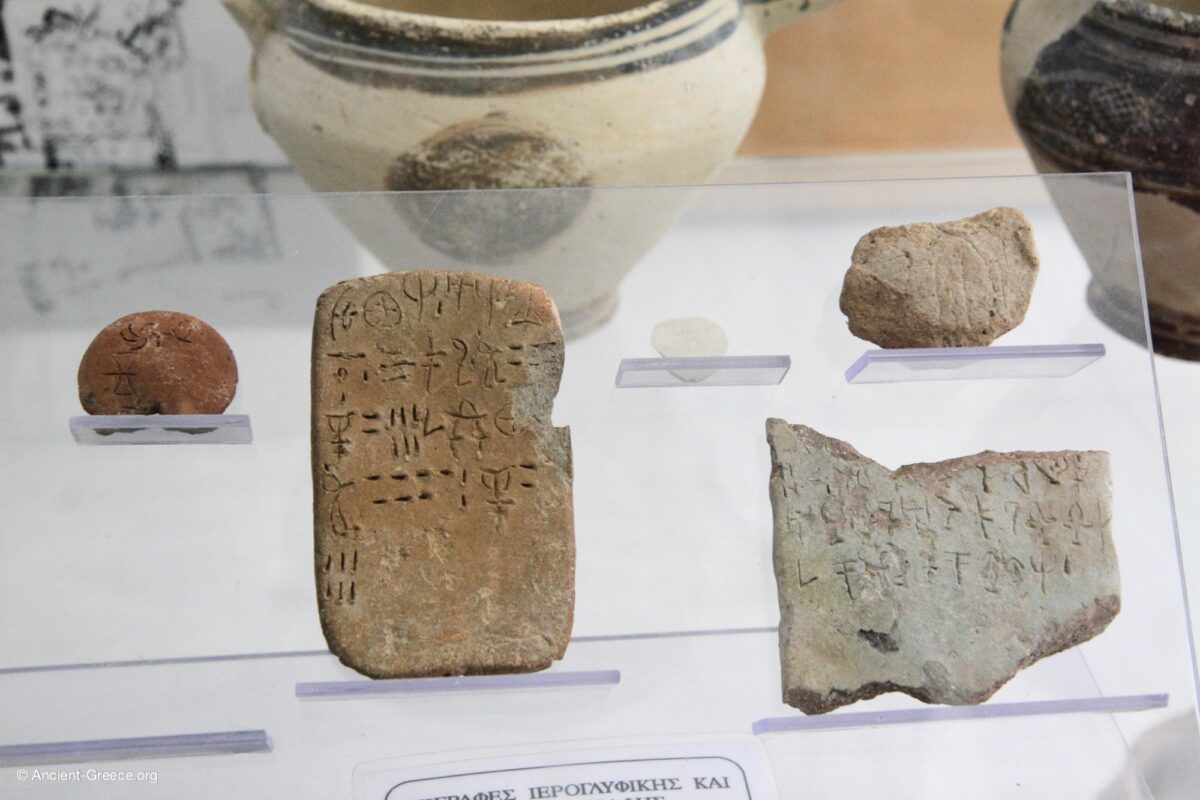
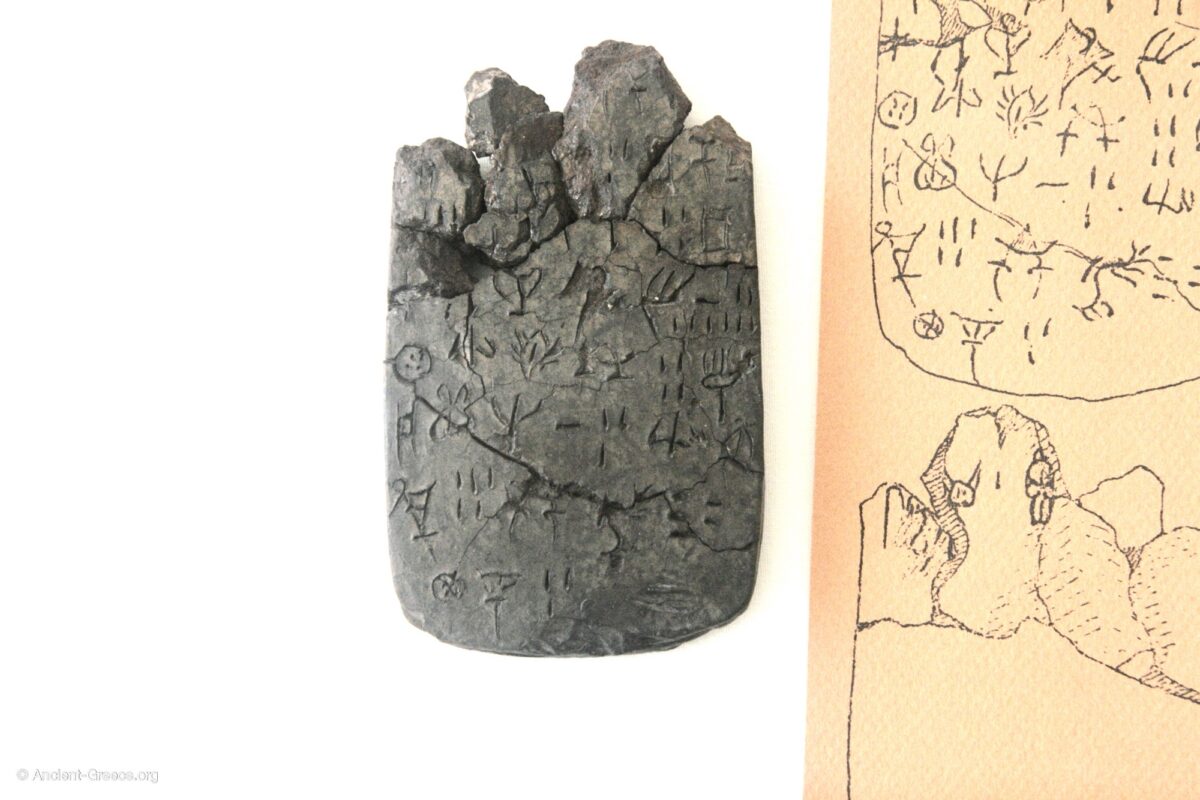
Clay tablets with Linear A inscriptions from the Minoan palace of Zakros.
The Linear A clay tablets survived because the clay hardened during the fire which destroyed the palace . The Linear A script has not yet been deciphered, so we don’t know what the writing represents.
Photographs – Φωτογραφίες
← Keyboard Navigation → | ← Πλοήγηση με το πληκτρολόγιο →
Related Pages
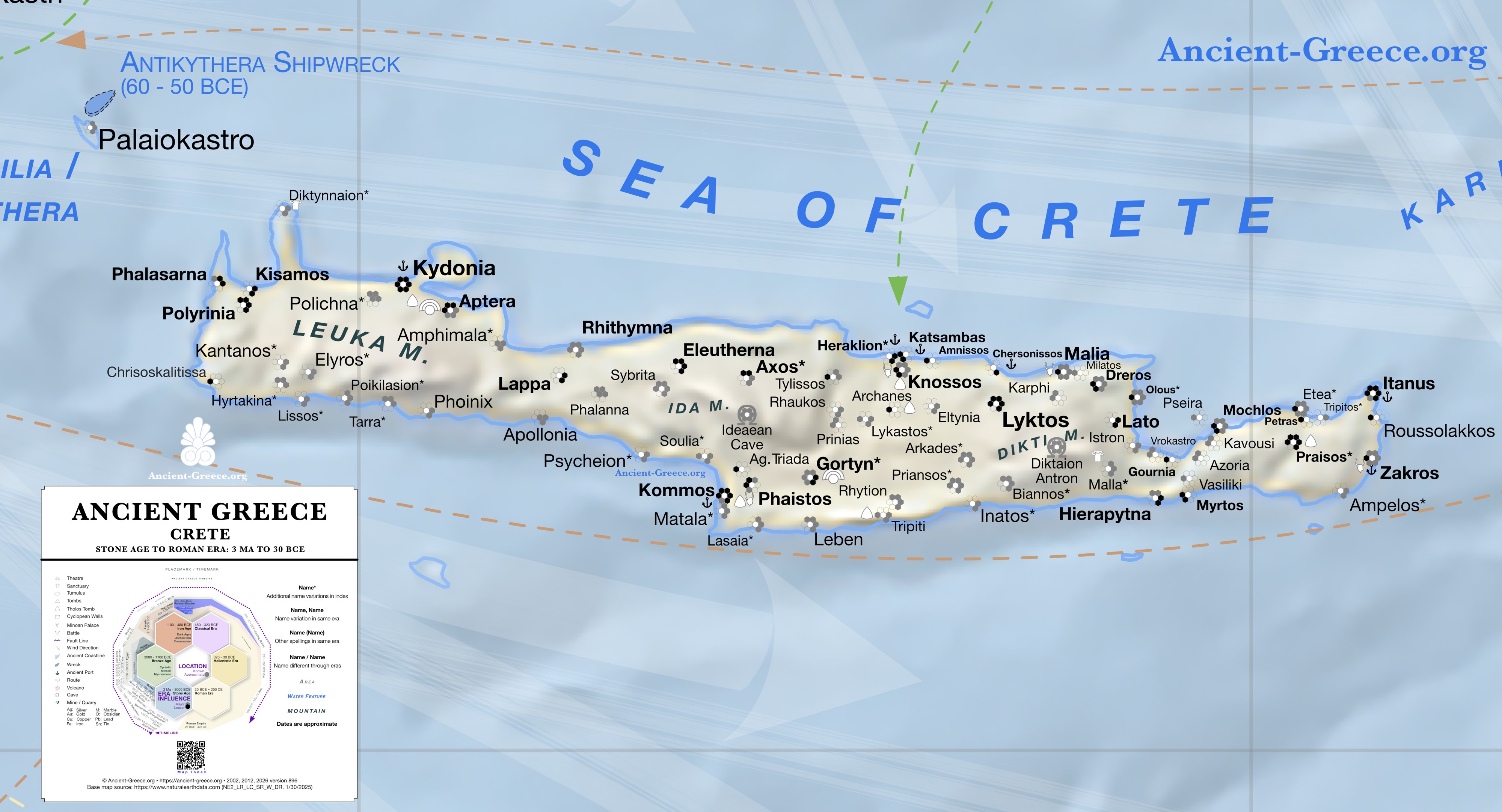
Map of Ancient Crete | Χάρτης της Αρχαίας Κρήτης
Sources
- Preziosi, Donald, and Louise A. Hitchcock. Aegean Art and Architecture. Oxford UP, 1999.
- Sascett, L. H. The Palaikastro Kouros: A Masterpiece of Minoan Sculpture in Ivory and Gold. Archaeological Receipts Fund, 2006.